
 English
 Nederlands
Aquatec
24-6-2026
Wastewater Treatment and Water Reuse Solutions
Responsible wastewater management is a key component of the building and residential guidelines within Hòfi Sint Joris. The governing deeds and regulations prohibit the use of cesspits and seepage pits, reflecting a commitment to protecting groundwater resources, public health, and the surrounding natural environment.
Unlike traditional cesspits, where wastewater can come into direct contact with soil and groundwater, septic systems and modern wastewater treatment installations rely on biological treatment and filtration processes. As a result, these systems are permitted within the community. Advanced treatment technologies have already been implemented in previous developments by Zeebries, enabling treated water to be reused for applications such as landscape irrigation.
One important consideration with conventional block-built septic tanks is microbial-induced corrosion (MIC). During the natural breakdown of organic waste, anaerobic bacteria produce hydrogen sulfide (H₂S) gas. When this gas accumulates above the wastewater and reacts with oxygen and moisture, it forms sulfuric acid (H₂SO₄). Over time, this acid attacks the concrete structure, weakening the material and potentially leading to leakage.
Growing Focus on Sustainable Water Management
As concerns about water sustainability continue to increase, modern wastewater treatment is playing an increasingly important role in residential and commercial developments. In many areas, properties rely on septic systems or other decentralized wastewater solutions, while groundwater and coastal ecosystems remain vulnerable to contamination from untreated or poorly treated wastewater.
According to Ryan de Jongh, who is involved with Aquatec, advanced wastewater treatment technologies can make a significant contribution to both environmental protection and water conservation.
“The use of effluent, treated wastewater, is essential because it increases the availability of freshwater resources while reducing environmental impact,” says De Jongh. “By reusing treated water for irrigation, we can support greener communities and enhance overall quality of life.”
Water conservation is becoming increasingly important as freshwater resources remain limited and the production of potable water requires substantial energy and infrastructure. Reusing treated wastewater for irrigation and other non-potable applications helps preserve valuable drinking water supplies for their highest and best use.
A Practical Solution for Water Reuse
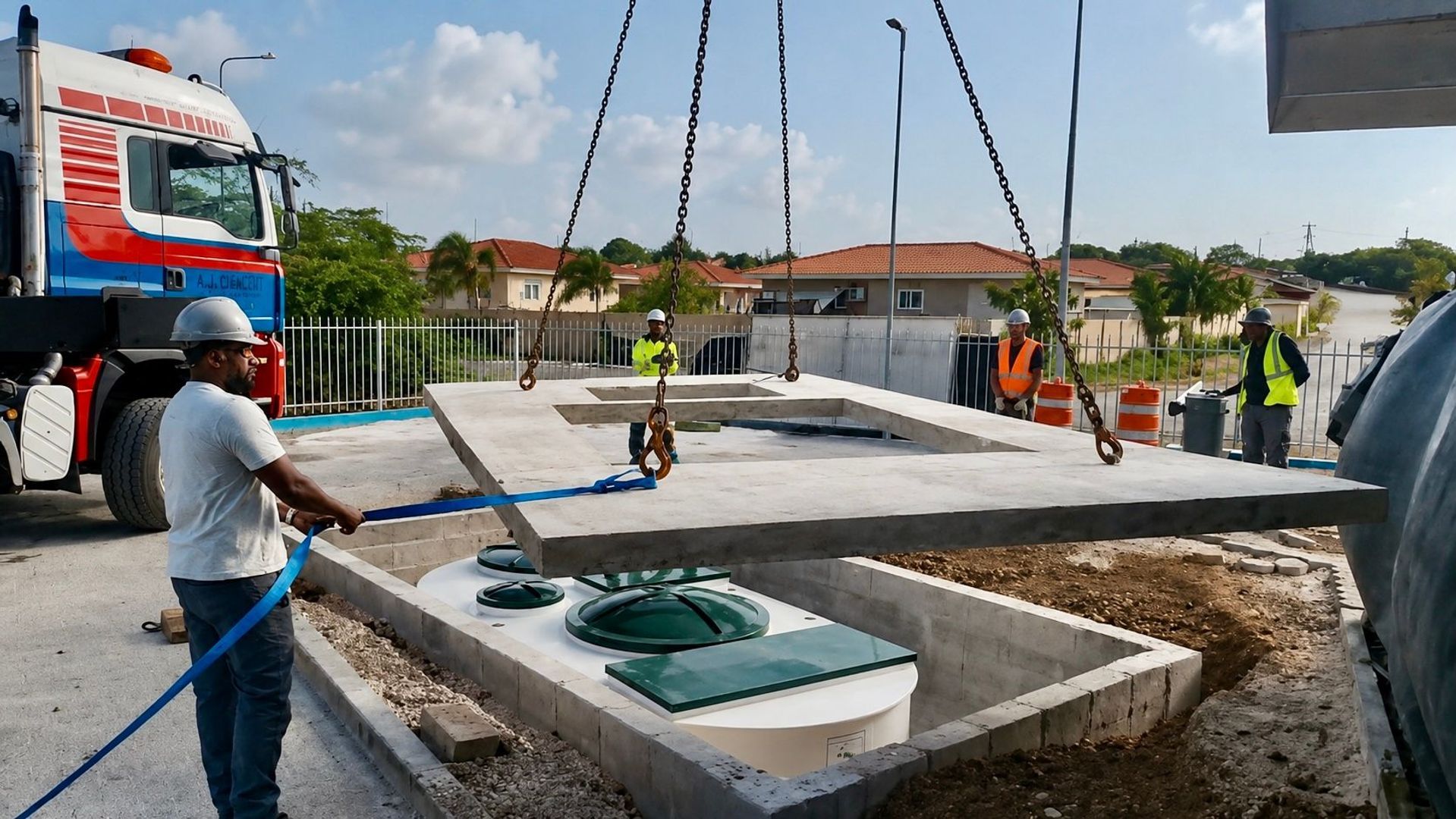
Aquatec is a biological wastewater treatment system originally developed in Slovakia. The technology utilizes aeration and naturally occurring microorganisms to break down organic matter in wastewater. The resulting treated water can then be safely reused for irrigation and other non-potable purposes.
Ryan de Jongh became involved with Aquatec approximately eighteen months ago and was immediately impressed by the system’s performance.
“After hearing all the claims about the system being odor-free and insect-free, I wanted to see it for myself,” he recalls. “To my surprise, there was no odor and not a single insect present.”
According to De Jongh, odor issues, stagnant water, and pest activity are among the most common challenges associated with traditional wastewater systems. Because Aquatec systems continuously circulate and biologically treat the water, they create far fewer conditions that allow mosquitoes and other insects to thrive.
Applications Across the Region
Aquatec systems are now being used in private residences, apartment developments, resorts, and larger commercial projects throughout the region. Multiple installations have already been completed, while additional large-scale projects are currently under development.
Within Hòfi Sint Joris, the adoption of advanced wastewater treatment technologies aligns with the broader vision of sustainable living and responsible resource management. Sustainability is viewed not merely as a design principle, but as a practical approach to community development and infrastructure planning.
By embracing modern wastewater treatment and water reuse solutions, developments can reduce pressure on soil, groundwater, and natural ecosystems while making more efficient use of available water resources.
Gerelateerde Nieuwsberichten

Events
27-8-2026 —
From the Wintertuin Festival to Curaçao Pride Week, a diverse lineup of events is on the calendar for September and early October. A look at Curaçao’s events calendar for September and early October reveals a varied mix of activities for different audiences. With numerous events taking place during these weeks, we highlight three of them ...
Sahófi
27-8-2026 —
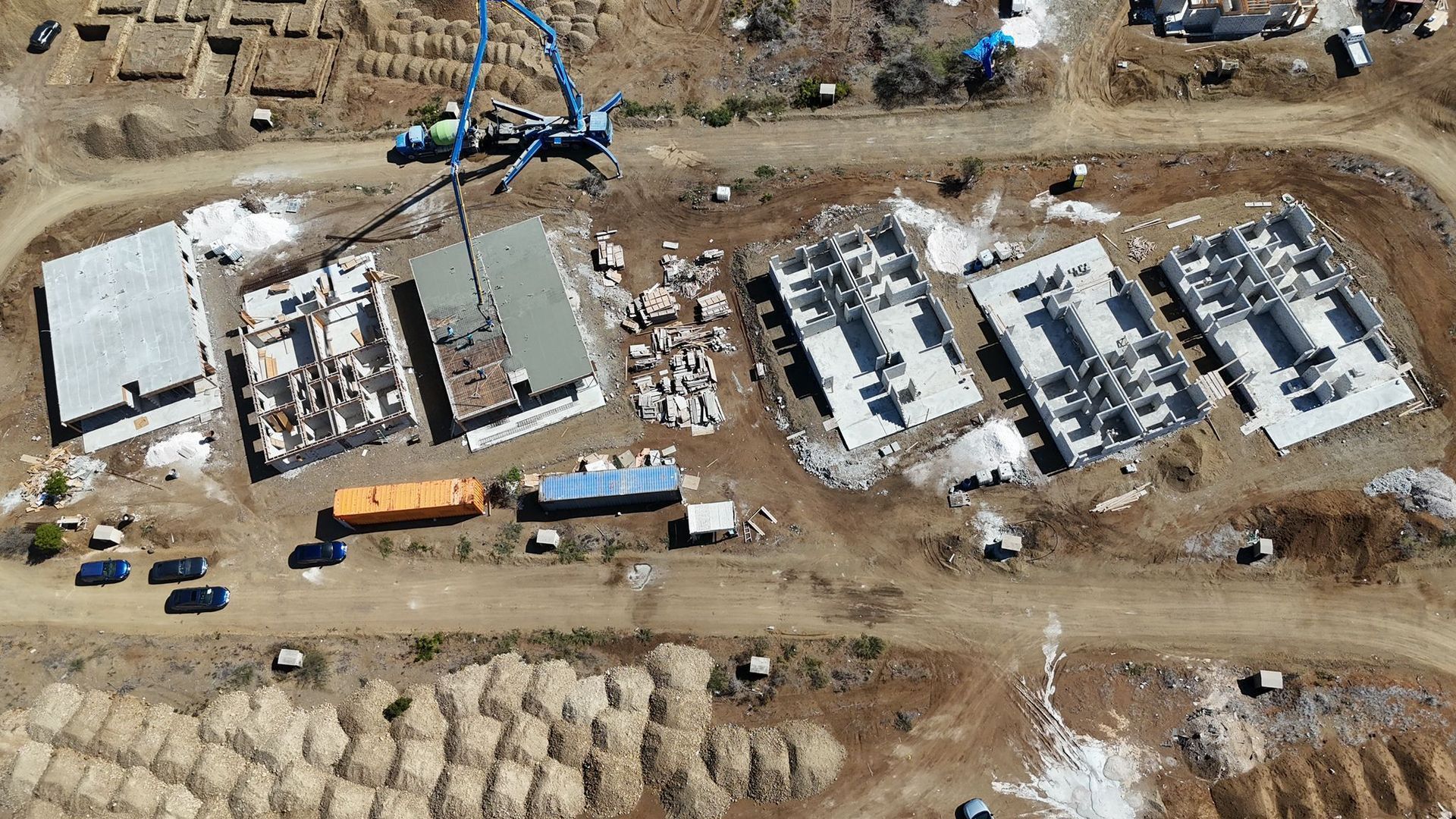
Within Hòfi Sint Joris, the development of Sahófi continues to take shape. The apartment project, which is being developed in two phases, has now become a visible part of the residential community. Phase 1 is nearing full completion, while construction of Phase 2 is well underway. Sahófi comprises a total of 36 apartments. Phase 1 consists of ...
Introducing …
27-8-2026 —
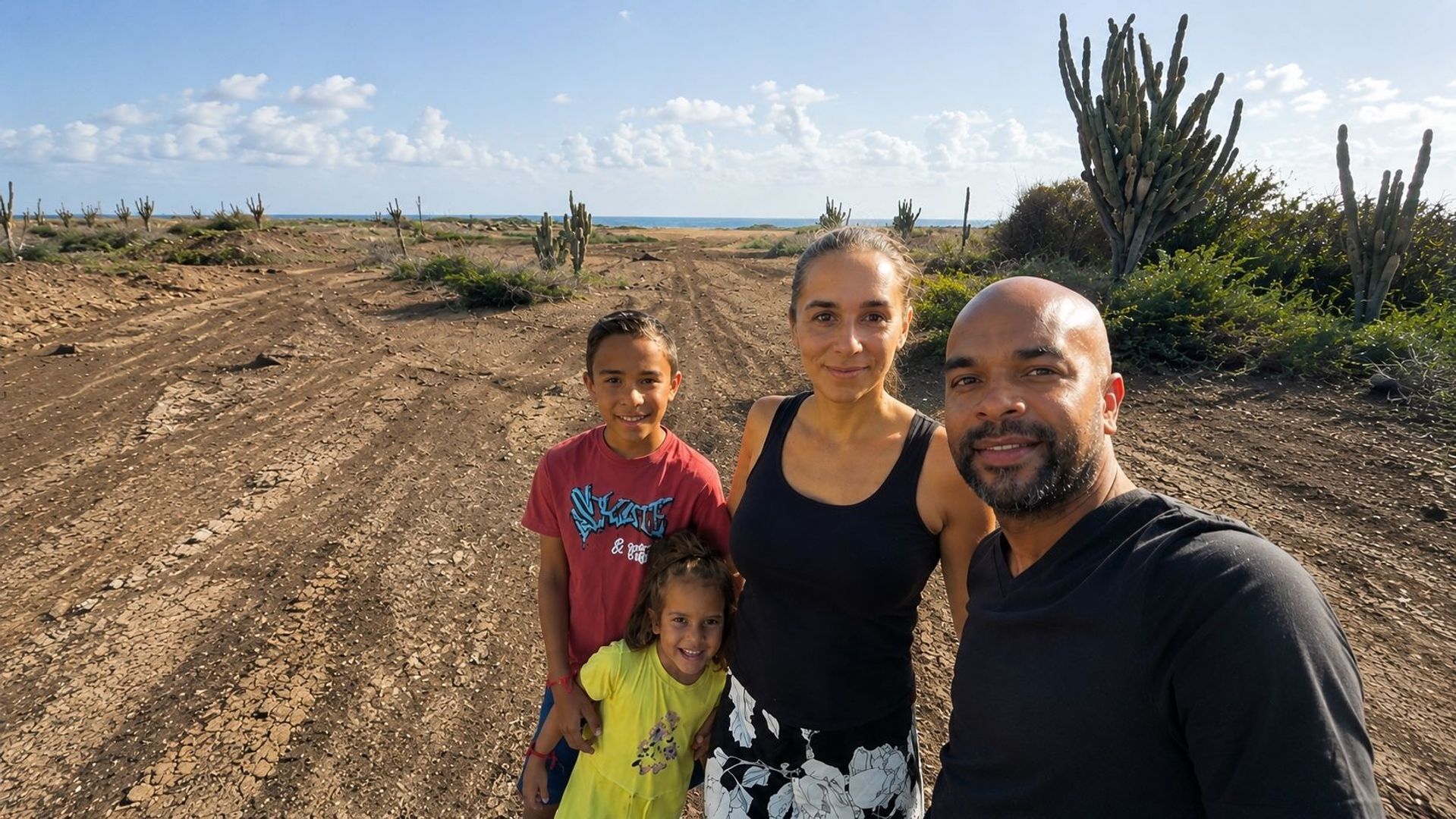
The Kalapnathsing family has lived at Hòfi Sint Joris since 2023 and has experienced the community’s transformation firsthand. What began as a construction site with unpaved roads has developed into an increasingly established residential neighborhood with paved roads, lighting and sports facilities, while retaining its natural surroundings ...