
 English
 Nederlands
Energy Transition
24-6-2026
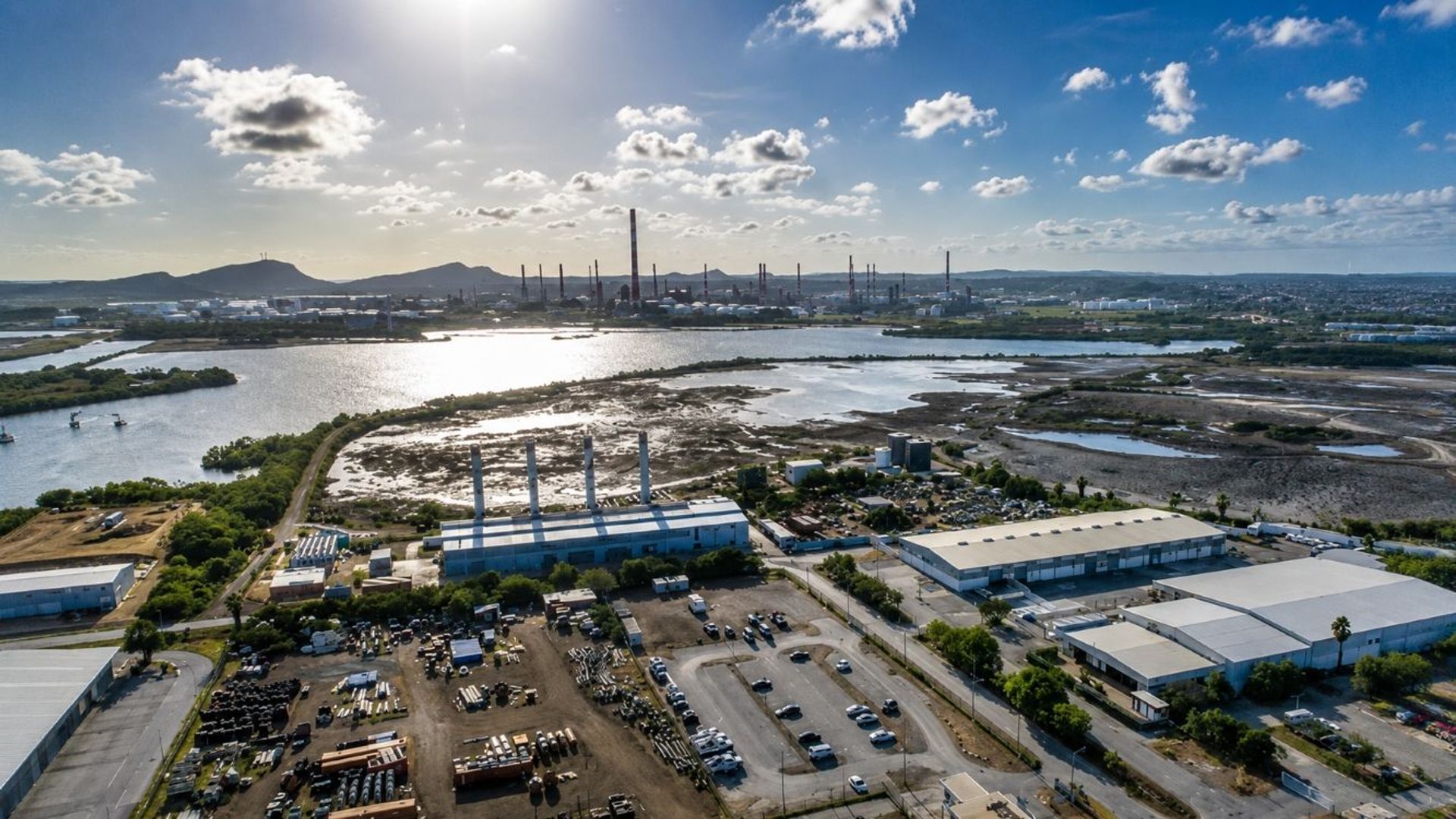
Energy supply has increasingly become a central topic in Curaçao’s economic development. Where discussions about the island’s future were traditionally focused on tourism, real estate, and infrastructure, attention is now also shifting toward the long-term reliability and sustainability of the energy system.
Recent developments include announcements from Aqualectra, which is working together with Dutch partners on the expansion of battery storage capacity and renewable energy production on the island. The objective is to reduce Curaçao’s dependence on fossil fuels and significantly increase the share of renewable energy in the coming years.
For an island economy such as Curaçao, energy is not only a technical matter but also an important economic driver that directly affects daily life. Fuel prices, international logistics, and the reliability of infrastructure all influence the cost of living and doing business. As a result, energy transition is increasingly viewed as a structural component of the island’s broader development agenda.
Reducing dependence on fossil fuels
Curaçao has historically relied heavily on imported fossil fuels for its electricity generation. This creates exposure to global price fluctuations and external market conditions. At the same time, there is growing international pressure to accelerate the transition toward cleaner and more sustainable energy sources.
According to Aqualectra, battery storage will play an increasingly important role in stabilizing the electricity grid and optimizing the use of solar and wind energy. Improved storage capacity allows for better management of fluctuations in renewable energy production and supports a more resilient energy system.
Sustainability is also becoming more relevant at the household level. Energy consumption, system efficiency, and the potential for solar integration are increasingly considered in both new developments and existing housing stock. These factors are gradually becoming part of broader housing and investment decisions.
Increasing link between housing and infrastructure
The development of energy infrastructure is therefore becoming more closely connected to the residential market. As Curaçao continues to evolve as a place for long-term living and investment, the importance of reliable utilities and future-proof infrastructure continues to grow.
Within residential communities, there is increasing attention to water management, energy efficiency, and long-term maintenance planning. Sustainability is no longer viewed solely as an environmental topic, but also as a practical consideration related to comfort, reliability, and long-term cost stability.
The energy transition is therefore becoming part of a broader economic shift. Tourism and real estate remain important pillars of the economy, but infrastructure and energy systems are playing a more prominent role in shaping the island’s future development.
This ongoing shift illustrates that Curaçao’s economic evolution is not only visible in new construction projects or visitor numbers, but also in the gradual modernization of essential systems that support everyday life.
Gerelateerde Nieuwsberichten
Events
27-8-2026 —
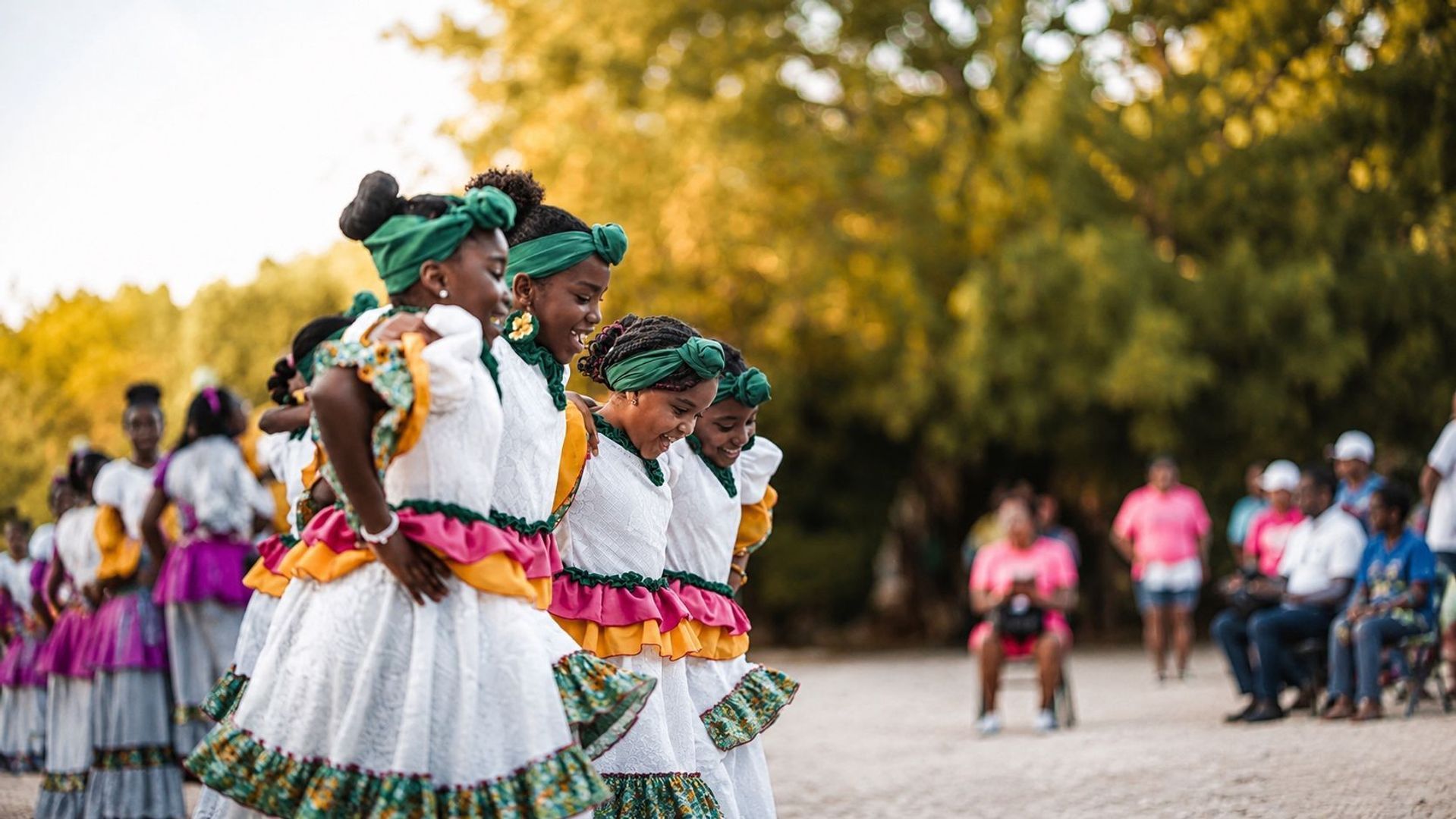
From the Wintertuin Festival to Curaçao Pride Week, a diverse lineup of events is on the calendar for September and early October. A look at Curaçao’s events calendar for September and early October reveals a varied mix of activities for different audiences. With numerous events taking place during these weeks, we highlight three of them ...
Sahófi
27-8-2026 —
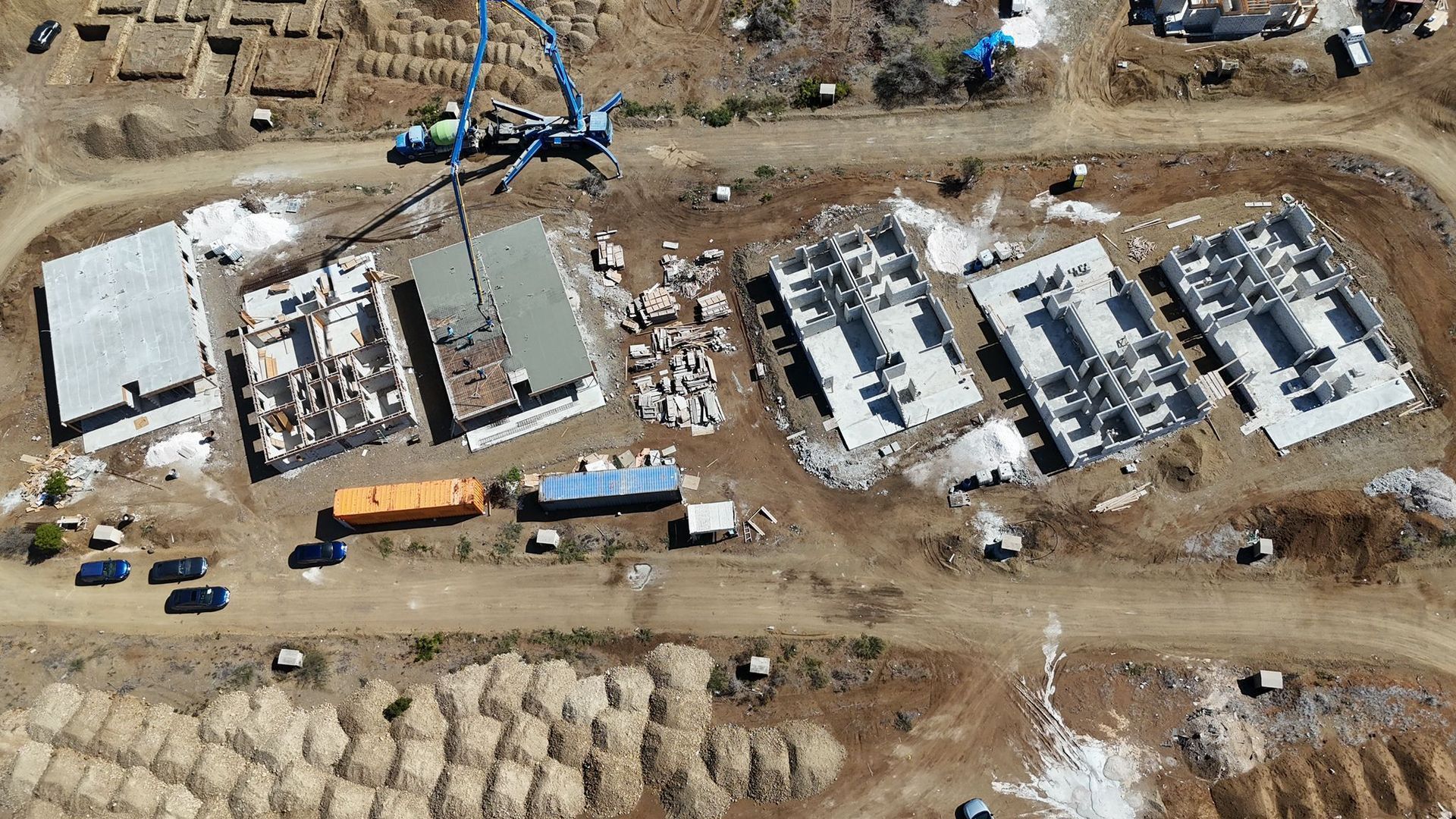
Within Hòfi Sint Joris, the development of Sahófi continues to take shape. The apartment project, which is being developed in two phases, has now become a visible part of the residential community. Phase 1 is nearing full completion, while construction of Phase 2 is well underway. Sahófi comprises a total of 36 apartments. Phase 1 consists of ...
Introducing …
27-8-2026 —
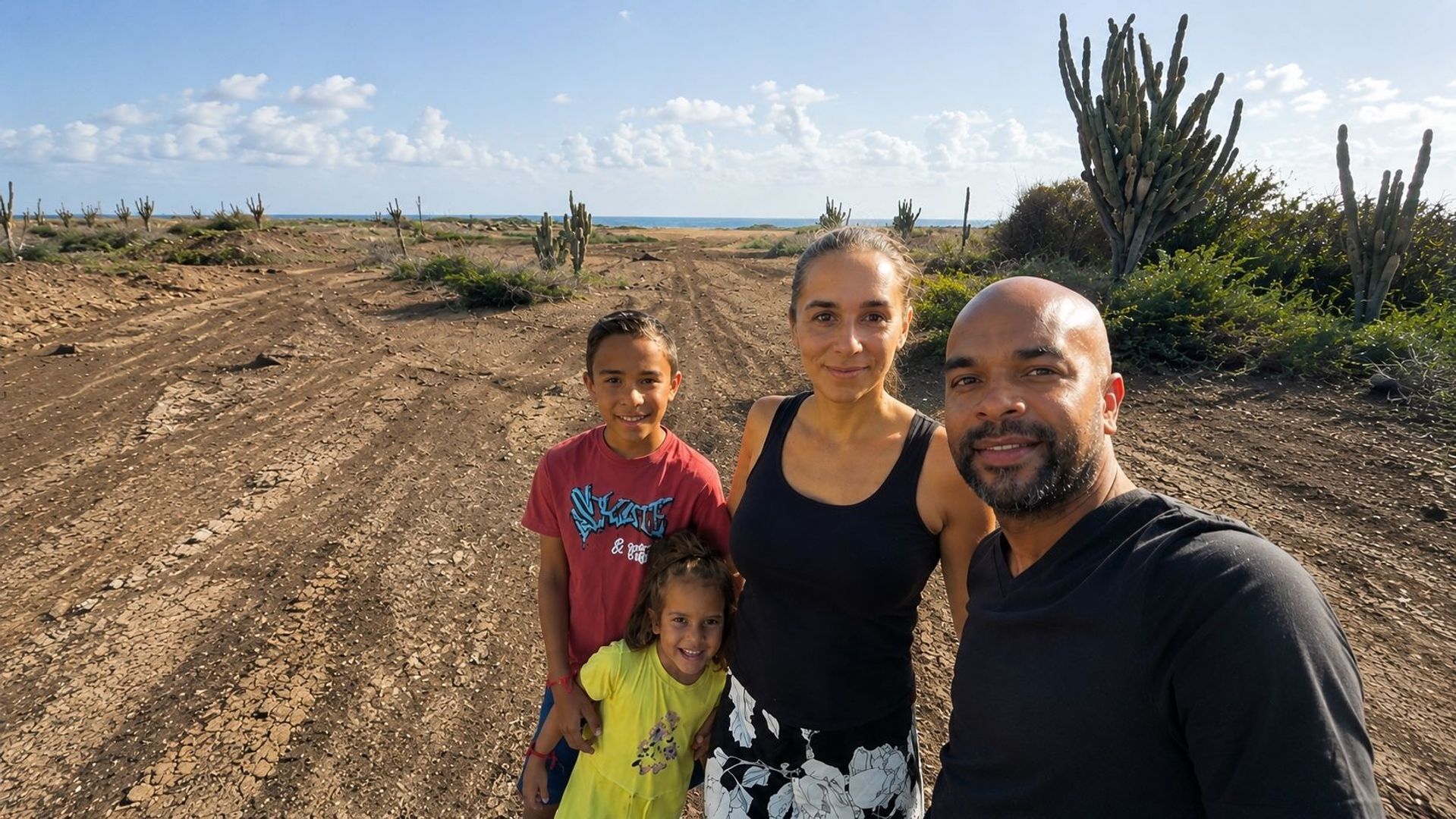
The Kalapnathsing family has lived at Hòfi Sint Joris since 2023 and has experienced the community’s transformation firsthand. What began as a construction site with unpaved roads has developed into an increasingly established residential neighborhood with paved roads, lighting and sports facilities, while retaining its natural surroundings ...