
 English
 Nederlands
Tourism
26-2-2026
Record Contribution to the Economy
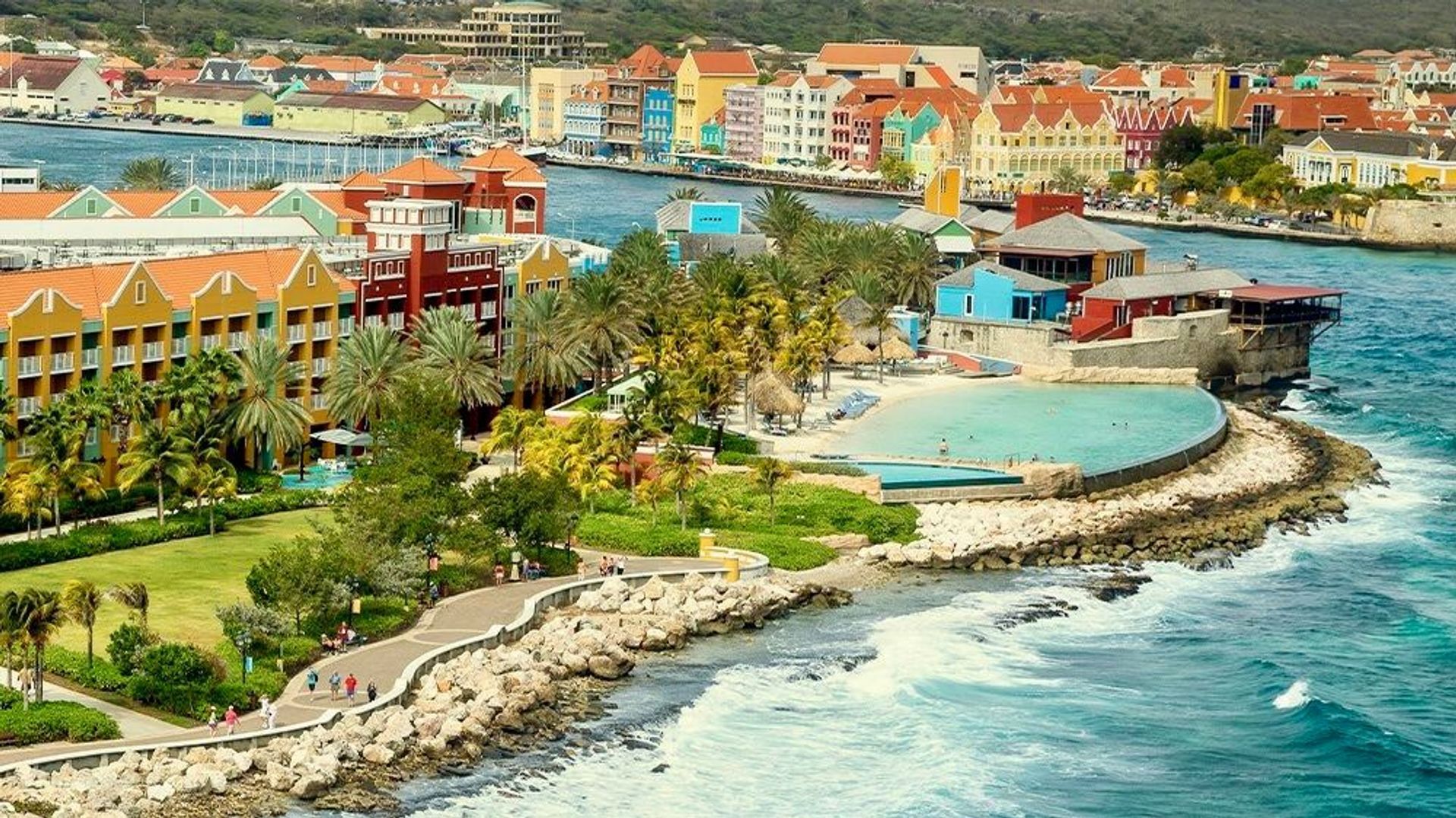
Tourism made an exceptionally strong contribution to the economy in 2025. According to recently published figures, the total economic impact of the sector reached nearly ANG 5.4 billion. This growth was primarily driven by an increase in visitor arrivals, higher hotel occupancy rates, and rising average daily room rates. Tourism once again confirmed its position as one of the most important economic pillars.
Growth in Visitor Numbers and Spending
The increase in economic impact is directly linked to the growth in stay-over tourism. Higher visitor volumes translated not only into more overnight stays, but also into increased per capita spending. Hotels reported a higher average occupancy rate in 2025, alongside a rise in average room rates. This combination resulted in a significant uplift in revenues across the hospitality sector compared to previous years.
The positive momentum extended beyond hotels. Restaurants, transportation providers, car rental companies, retail outlets, and tour operators all experienced increased demand. As a result, tourism’s economic contribution reaches far beyond the hospitality industry and supports a broad cross-section of the local business community.
Broad-Based Economic Impact
Near ANG 5.4 billion in economic impact consists not only of direct visitor expenditures. Indirect and induced effects also play a substantial role. Tourism-related businesses procure goods and services from local suppliers, invest in maintenance and expansion, and generate employment. Employees, in turn, spend their income within the local economy, creating a multiplier effect.
These value chain effects give tourism a comparatively wide economic reach. The sector therefore makes a significant contribution to gross domestic product and supports income stability across multiple layers of society.
Employment and Income Security
A key outcome of tourism growth is its impact on the labor market. The sector directly employs thousands of individuals in hotels, restaurants, and transportation services. Indirectly, tourism supports jobs in areas such as cleaning services, construction, agriculture, and professional services. Higher occupancy rates and longer average stays have resulted in increased working hours and, in some cases, new hires.
At the same time, demand for qualified personnel continues to rise. This underscores the importance of targeted education and training programs to ensure that local talent remains well positioned to benefit from the sector’s ongoing expansion.
Focus on Sustainability and Balance
While the economic indicators are positive, sustained growth also brings policy considerations. Increased pressure on infrastructure, the housing market, and natural resources calls for careful planning and strategic management. Greater emphasis is being placed on sustainable tourism development, including visitor dispersion strategies and safeguarding quality of life for residents.
The key challenge in the years ahead will be to maintain the right balance between economic returns and overall carrying capacity. Beyond visitor numbers, the quality and broader impact of tourism will be critical factors in shaping long-term success.
Conclusion
With an economic impact of nearly ANG 5.4 billion in 2025, tourism delivered a historically strong contribution to the economy. The combination of increased arrivals, higher occupancy rates, and rising room prices highlights the strategic importance of the sector. At the same time, continued growth requires well-considered policy choices to ensure that tourism remains a sustainable driver of prosperity, employment, and long-term economic resilience.
Source: www.qracao.com
Gerelateerde Nieuwsberichten
Events
27-8-2026 —
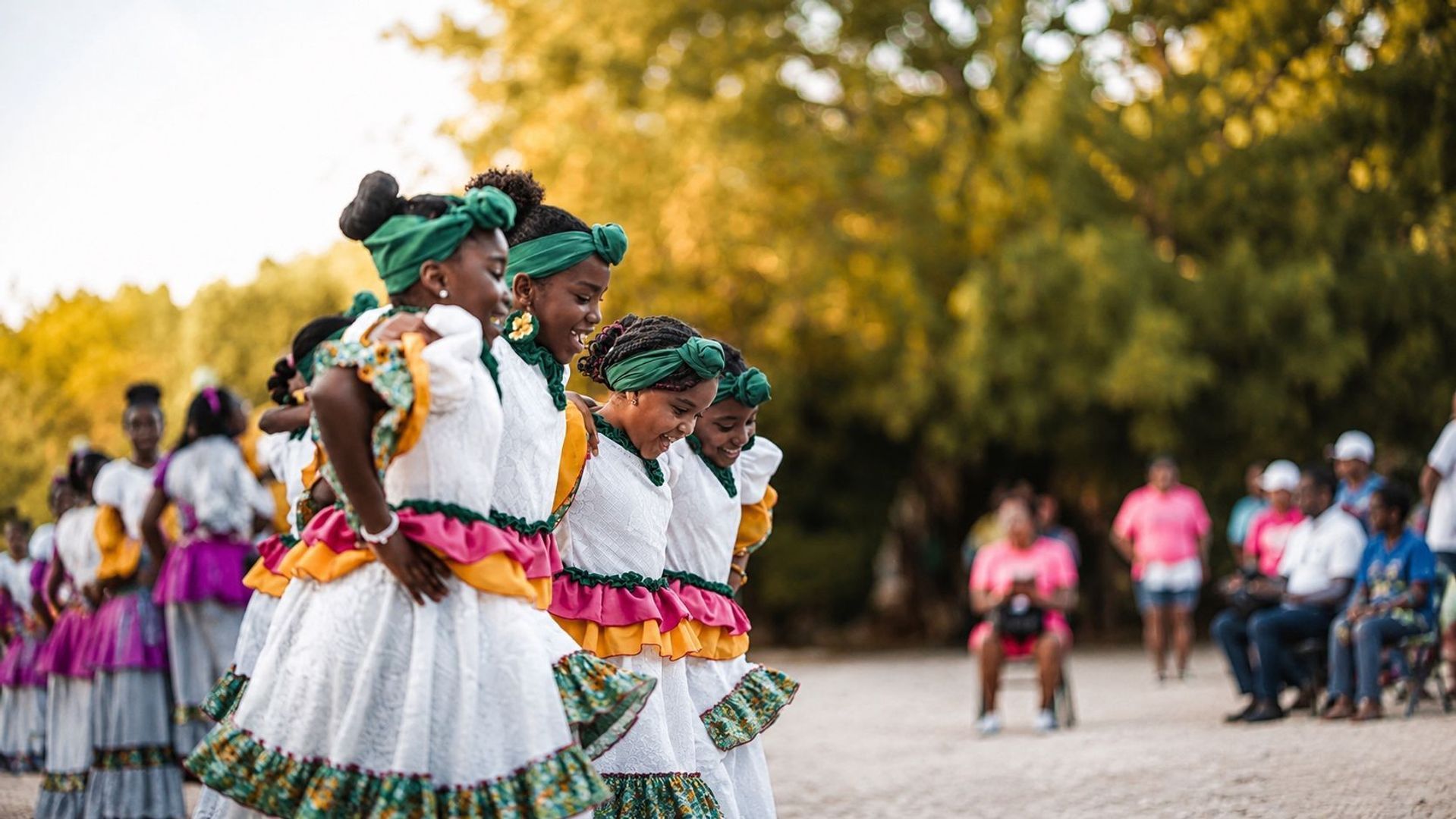
From the Wintertuin Festival to Curaçao Pride Week, a diverse lineup of events is on the calendar for September and early October. A look at Curaçao’s events calendar for September and early October reveals a varied mix of activities for different audiences. With numerous events taking place during these weeks, we highlight three of them ...
Sahófi
27-8-2026 —
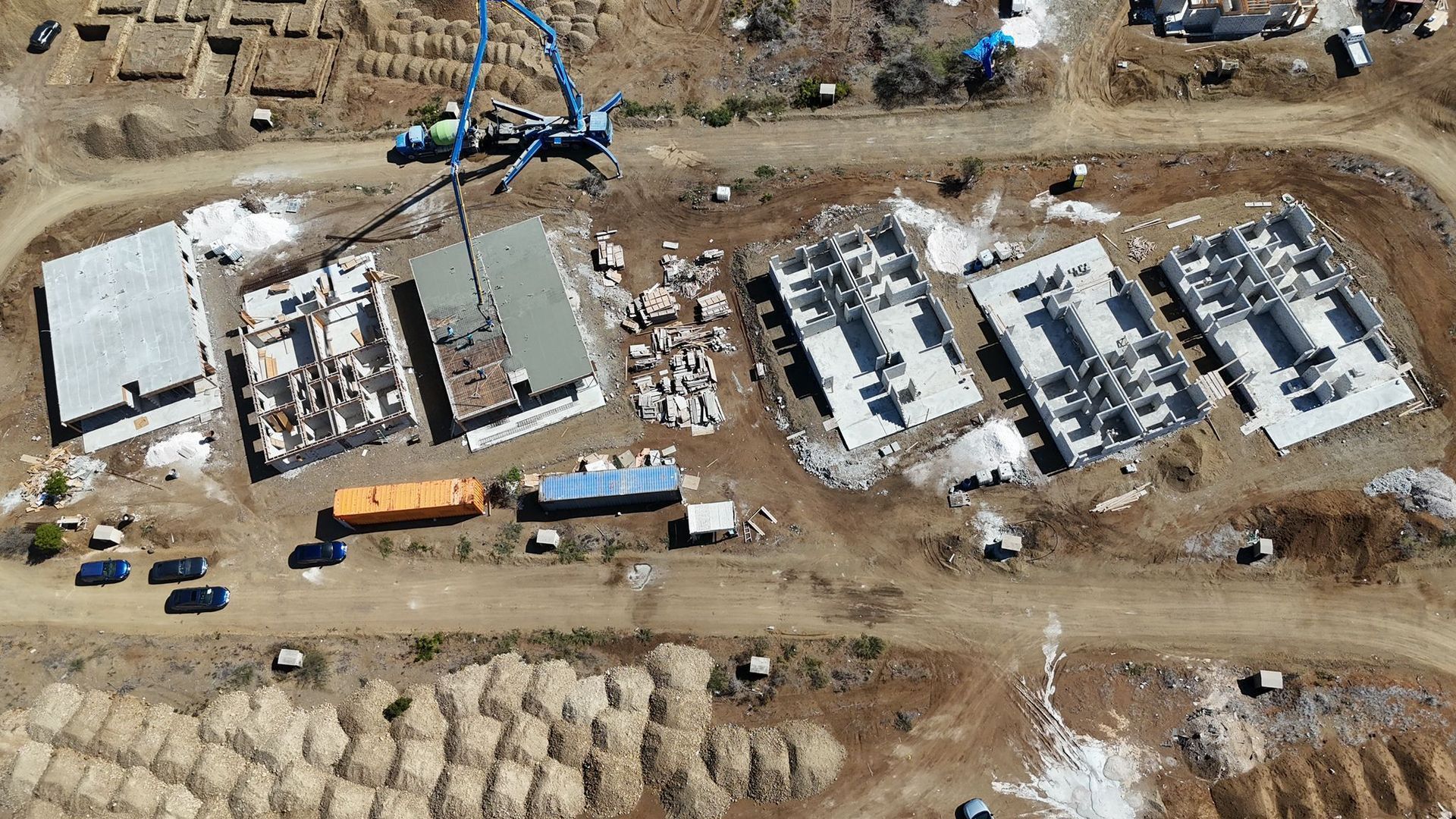
Within Hòfi Sint Joris, the development of Sahófi continues to take shape. The apartment project, which is being developed in two phases, has now become a visible part of the residential community. Phase 1 is nearing full completion, while construction of Phase 2 is well underway. Sahófi comprises a total of 36 apartments. Phase 1 consists of ...
Introducing …
27-8-2026 —
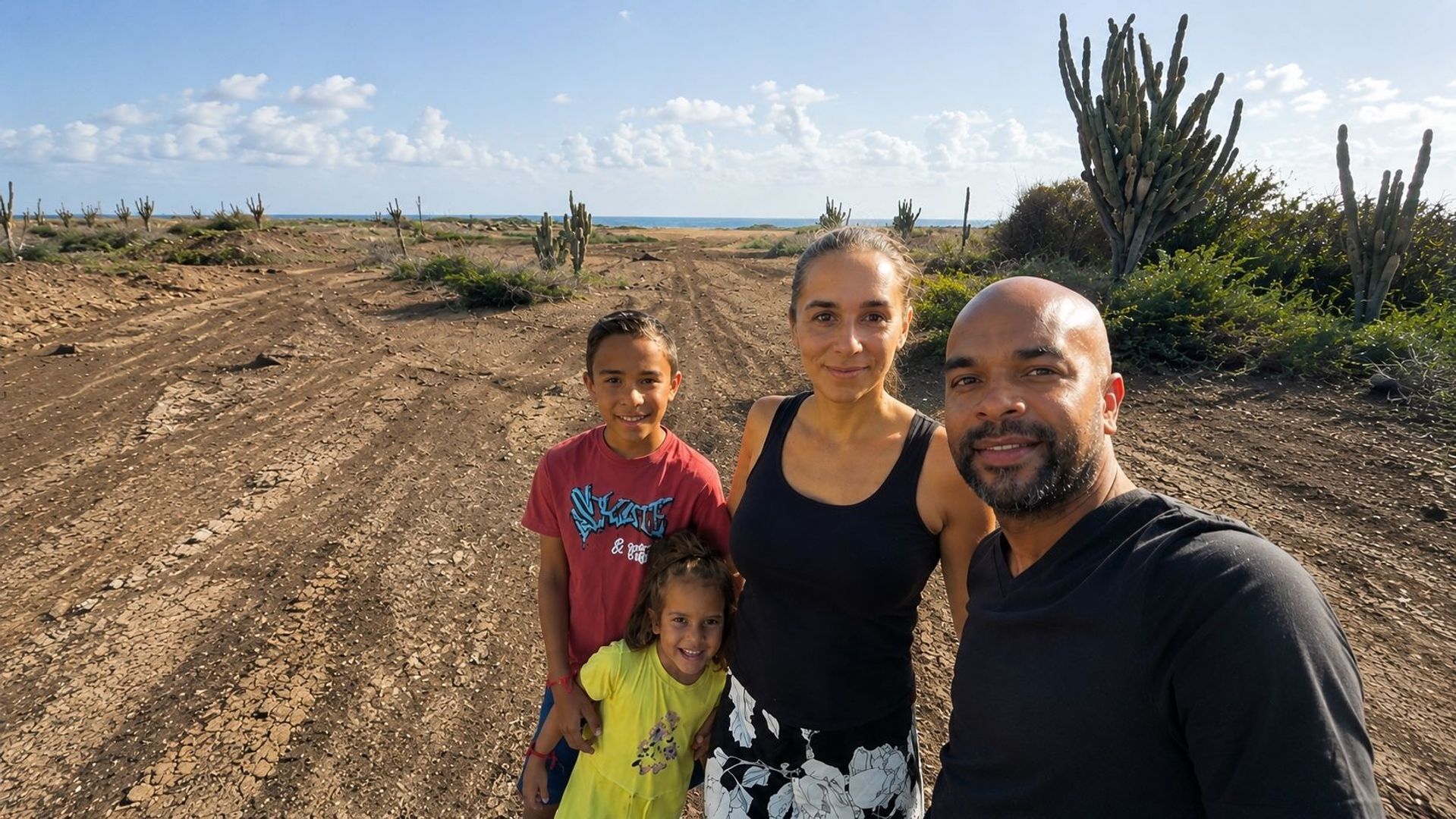
The Kalapnathsing family has lived at Hòfi Sint Joris since 2023 and has experienced the community’s transformation firsthand. What began as a construction site with unpaved roads has developed into an increasingly established residential neighborhood with paved roads, lighting and sports facilities, while retaining its natural surroundings ...