
 English
 Nederlands
Trade Winds
27-8-2026
Why Curaçao’s Trade Winds Make All the Difference
“Nature is the best architect.” Few places illustrate that saying as clearly as Curaçao. For centuries, the island’s sun, wind, and landscape have influenced how homes are designed and how people live. Of all these natural elements, the trade winds may be the most influential. Visitors to Curaçao notice it almost immediately. Although daytime temperatures often hover around 86°F (30°C), the heat can feel surprisingly comfortable. The reason is a nearly constant breeze from the east: the trade wind. This natural airflow does more than provide relief from the heat. It influences architecture, energy use, the natural environment, and the way residents enjoy outdoor living every day.
What Are the Trade Winds?
Trade winds are global air currents created by differences in temperature between the equator and the subtropics. On Curaçao, they blow predominantly from the east throughout the year, with average speeds of approximately 12 to 19 mph (20 to 30 km/h). For residents, the trade wind is much more than a weather phenomenon. It influences how warm a day feels, how homes are designed, and even which plants and trees give the island its distinctive landscape.
Why Does 86°F Feel So Comfortable on Curaçao?
Temperature only tells part of the story. Perceived temperature is just as important. When the trade wind moves across the skin, it accelerates the evaporation of perspiration. This allows the body to cool itself more efficiently, making the same temperature feel considerably less oppressive than it would on a windless day. That is why a walk along the coast, lunch on a veranda, or an afternoon in the garden can feel surprisingly comfortable—even in the middle of the day.
Smart Design Starts with Nature, Not Technology
Long before air conditioning existed, architects on Curaçao were already designing homes around the power of the wind. The island’s traditional country houses, or landhuizen, are excellent examples. High ceilings, wide galleries, thick walls, and strategically positioned windows allowed the trade winds to move freely through the home. The result was natural ventilation that helped maintain a comfortable indoor temperature. Those centuries-old principles remain remarkably relevant today.
Modern architecture is increasingly incorporating natural airflow as well. By orienting homes to take advantage of prevailing winds, creating shade with verandas and trees, and maintaining sufficient space between properties, the need for mechanical cooling can be significantly reduced. Sustainable design, therefore, is not only about solar panels or energy-efficient systems. It starts with creating a home that works with the climate rather than against it.
Less Air Conditioning, More Comfort
Air conditioning provides comfort, but it is also one of the largest sources of household energy consumption on Curaçao. When a home is designed to maximize natural ventilation, air conditioning can often be used less frequently or at a lower intensity. This offers several benefits:
- Lower energy consumption
- Reduced utility costs
- A more comfortable indoor environment
- Less strain on the power grid
- A smaller environmental footprint
That is why an increasing number of sustainable residential developments are combining modern technology with climate-conscious design.
Nature Shows Just How Powerful the Wind Can Be
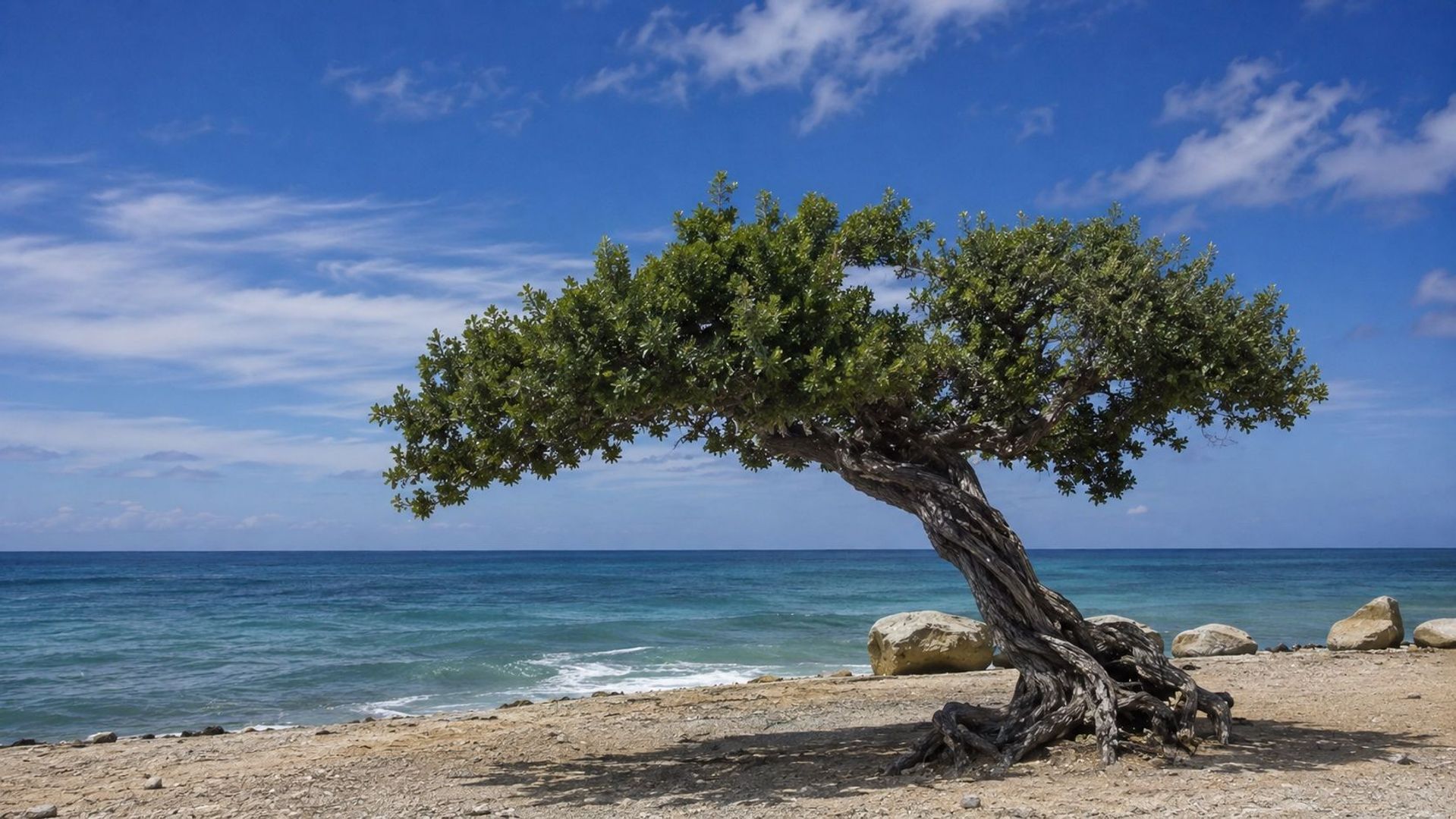
Drive across Curaçao and you will see trees that appear to grow in one direction. The most recognizable example is undoubtedly the divi-divi tree. Its distinctive, windswept shape is the direct result of the island’s persistent trade winds. But the wind influences much more than trees. It helps remove warm air, creates a more comfortable outdoor environment, and contributes to the dispersal of seeds and pollen. Birds also benefit from these air currents as they travel across the island. The trade wind is an invisible force that continuously shapes both Curaçao’s natural environment and the way people experience it.
Location Makes a Difference
Not every location on Curaçao benefits from the cooling effect of the trade winds to the same extent. Elevation, vegetation, and surrounding buildings all influence how freely the wind can move through an area. That is why the natural characteristics of the landscape are an important consideration when planning a residential development. The layout of roads, the orientation of homes, and the amount of open space can all contribute to a more comfortable living environment.
At Hòfi Sint Joris, these principles have been carefully incorporated into the development. The open layout and positioning of the homes take natural airflow into account, allowing residents to make the most of the cooling effect of the trade winds.
DID YOU KNOW
- The trade winds on Curaçao blow predominantly from the east throughout most of the year?
- The distinctive shape of the divi-divi tree is a direct result of the island’s persistent winds?
- Traditional Curaçaoan landhuizen have used natural ventilation for centuries?
- A well-designed home can reduce its reliance on mechanical cooling?
Living in Harmony with the Climate
Sustainability is increasingly viewed as a balance between people, technology, and nature. On Curaçao, the trade winds are a reminder that many effective solutions have been available for centuries. By designing homes around the sun, wind, and landscape, it is possible to create living environments that are more comfortable, more energy-efficient, and better suited to the island’s natural character. The trade wind is therefore much more than a pleasant breeze. It is a quiet force behind everyday life on Curaçao—and a reminder that some of the smartest solutions have already been designed by nature itself.
Gerelateerde Nieuwsberichten
Events
27-8-2026 —
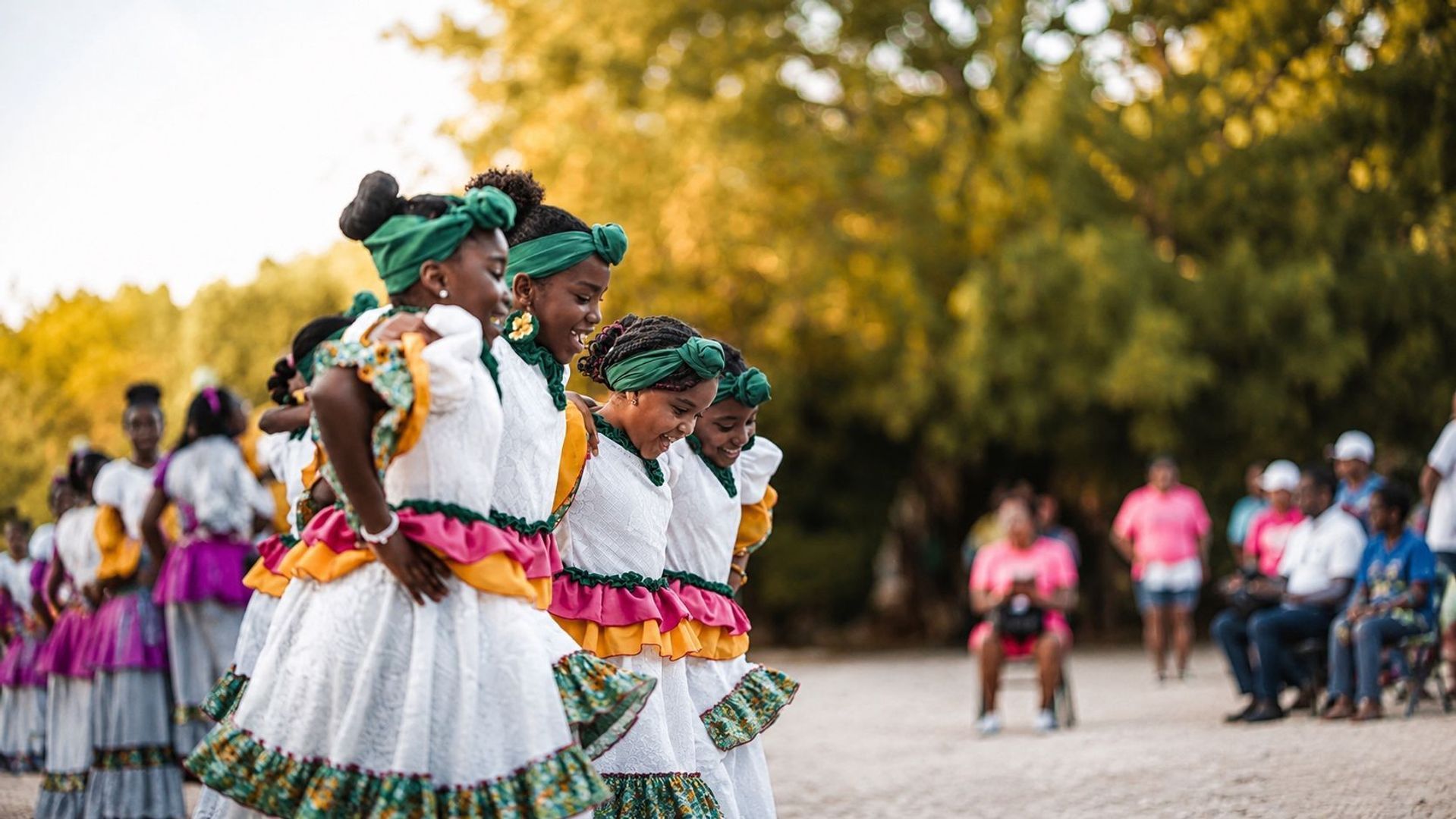
From the Wintertuin Festival to Curaçao Pride Week, a diverse lineup of events is on the calendar for September and early October. A look at Curaçao’s events calendar for September and early October reveals a varied mix of activities for different audiences. With numerous events taking place during these weeks, we highlight three of them ...
Sahófi
27-8-2026 —
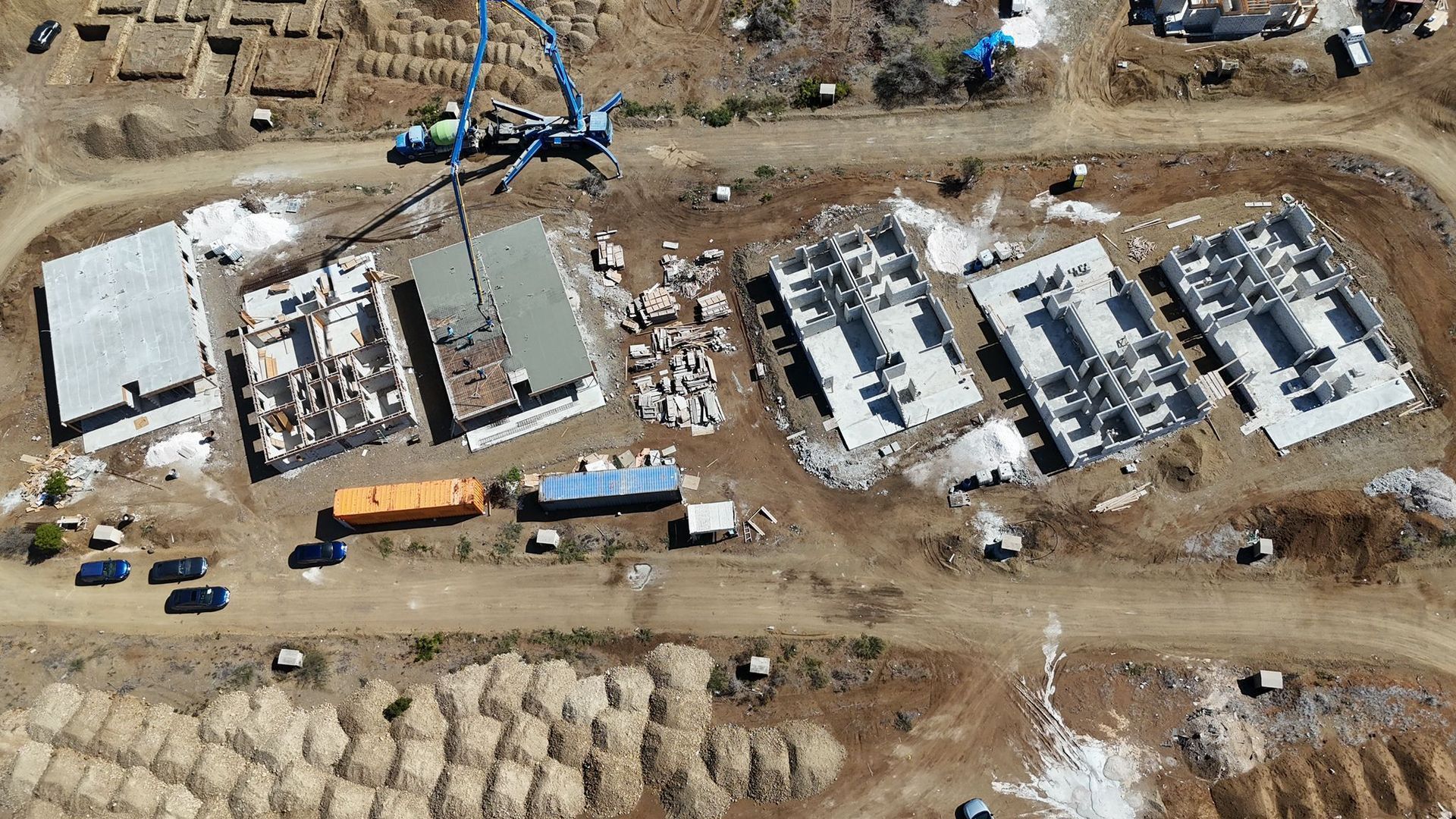
Within Hòfi Sint Joris, the development of Sahófi continues to take shape. The apartment project, which is being developed in two phases, has now become a visible part of the residential community. Phase 1 is nearing full completion, while construction of Phase 2 is well underway. Sahófi comprises a total of 36 apartments. Phase 1 consists of ...
Introducing …
27-8-2026 —
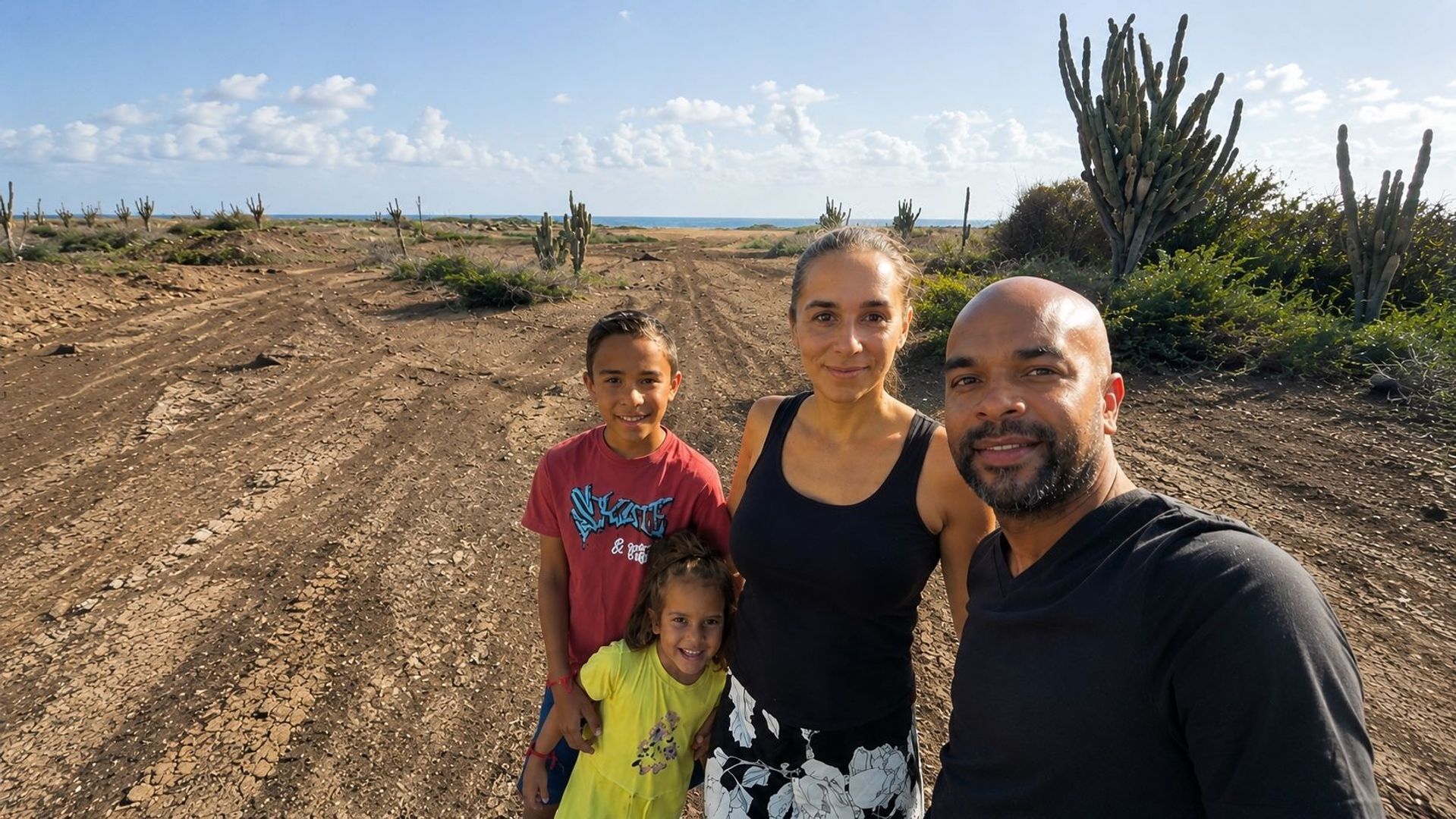
The Kalapnathsing family has lived at Hòfi Sint Joris since 2023 and has experienced the community’s transformation firsthand. What began as a construction site with unpaved roads has developed into an increasingly established residential neighborhood with paved roads, lighting and sports facilities, while retaining its natural surroundings ...