
 English
 Nederlands
Economic Resilience
27-8-2026
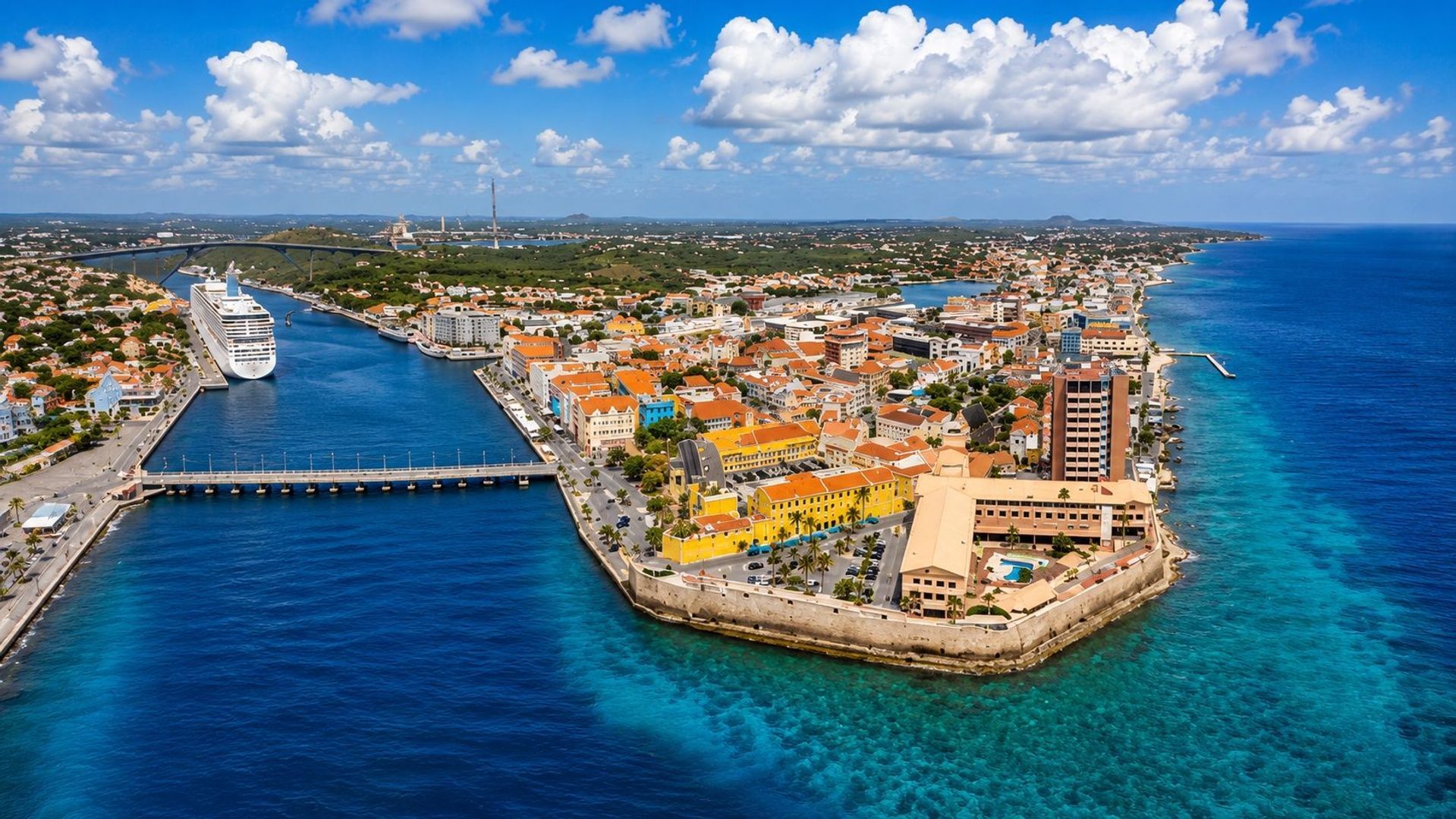
Curaçao ranks sixth among the Caribbean’s most economically resilient economies. That is according to the new Resilience Index Caribbean by Economisch Bureau Amsterdam, which compares 18 Caribbean countries. Curaçao scores 13.39, placing it relatively well within the region. At the same time, the study highlights several areas in which the island remains vulnerable.
Strong Institutions and a Favorable Location
The index measures countries’ ability to absorb economic and other shocks and recover from them. It considers more than economic performance, looking at public finances, demographics, financial stability, geographic risks, institutional quality and sustainability.
Jamaica ranks first with a score of 15.07, followed by Barbados at 15.05. Belize ranks third. Aruba is fifth with a score of 13.84, followed directly by Curaçao. Sint Maarten ranks 16th.
Curaçao’s position is largely supported by its geographic location and the quality of its institutions. The island lies outside the main hurricane belt, making it less vulnerable to severe hurricanes than many other Caribbean countries. The rule of law and the island’s administrative and institutional structure are also identified as positive factors.
According to the study, Curaçao’s financial and fiscal conditions are relatively stable. Its ties with the Netherlands contribute to relatively favorable government financing conditions. Stable inflation, relatively low unemployment and a diversified group of trading partners also strengthen the island’s position.
Import Dependence Remains a Risk
These strengths are offset by several structural vulnerabilities. Curaçao is highly dependent on imports and has a very small primary sector. Agriculture, livestock farming and fisheries make only a limited contribution to the local economy. As a result, the island relies heavily on overseas supply for many goods, including food and other essential products.
The index also points to relatively limited foreign-exchange reserves compared with the level of imports. This leaves Curaçao exposed to developments in international markets and potential disruptions in supply chains.
The labor market is another area of concern. Labor force participation is relatively low, while emigration affects the size of the available workforce. When people leave the island or remain outside the labor market, this can reduce the economy’s available capacity.
Income inequality also remains an issue. In addition, per-capita income is lower than in Aruba, which ranks one place higher in the index.
Sustainability Requires Further Attention
Curaçao scores less strongly on sustainability. The island has relatively high CO₂ emissions per capita, while the share of renewable energy remains limited. This highlights the need to further transition the energy sector toward sustainable sources and reduce dependence on fossil fuels.
The comparison with Aruba shows that countries facing similar challenges can nevertheless achieve different results. Aruba benefits, among other factors, from higher per-capita income, lower inflation, stronger import coverage and a more favorable fiscal position. At the same time, dependence on tourism and imports remains an important concern there as well.
A Balanced Picture of Strengths and Vulnerabilities
According to the researchers, Curaçao’s sixth-place ranking should primarily be viewed as a relative position within the Caribbean. The index is not an absolute assessment of an economy and cannot be directly compared with countries outside the region. In addition, equally up-to-date data is not available for every country.
The results therefore provide a nuanced picture of Curaçao. The island has important strengths in terms of its geographic location, institutions and economic stability, but remains vulnerable due to factors including its high dependence on imports, low labor force participation, emigration and limited progress toward a more sustainable energy system.
The Resilience Index Caribbean ultimately shows that economic resilience is shaped by multiple factors. For Curaçao, the challenge is not only to achieve economic growth, but also to strengthen the underlying conditions that will enable the island to withstand future economic, social and external pressures.
Gerelateerde Nieuwsberichten
Events
27-8-2026 —
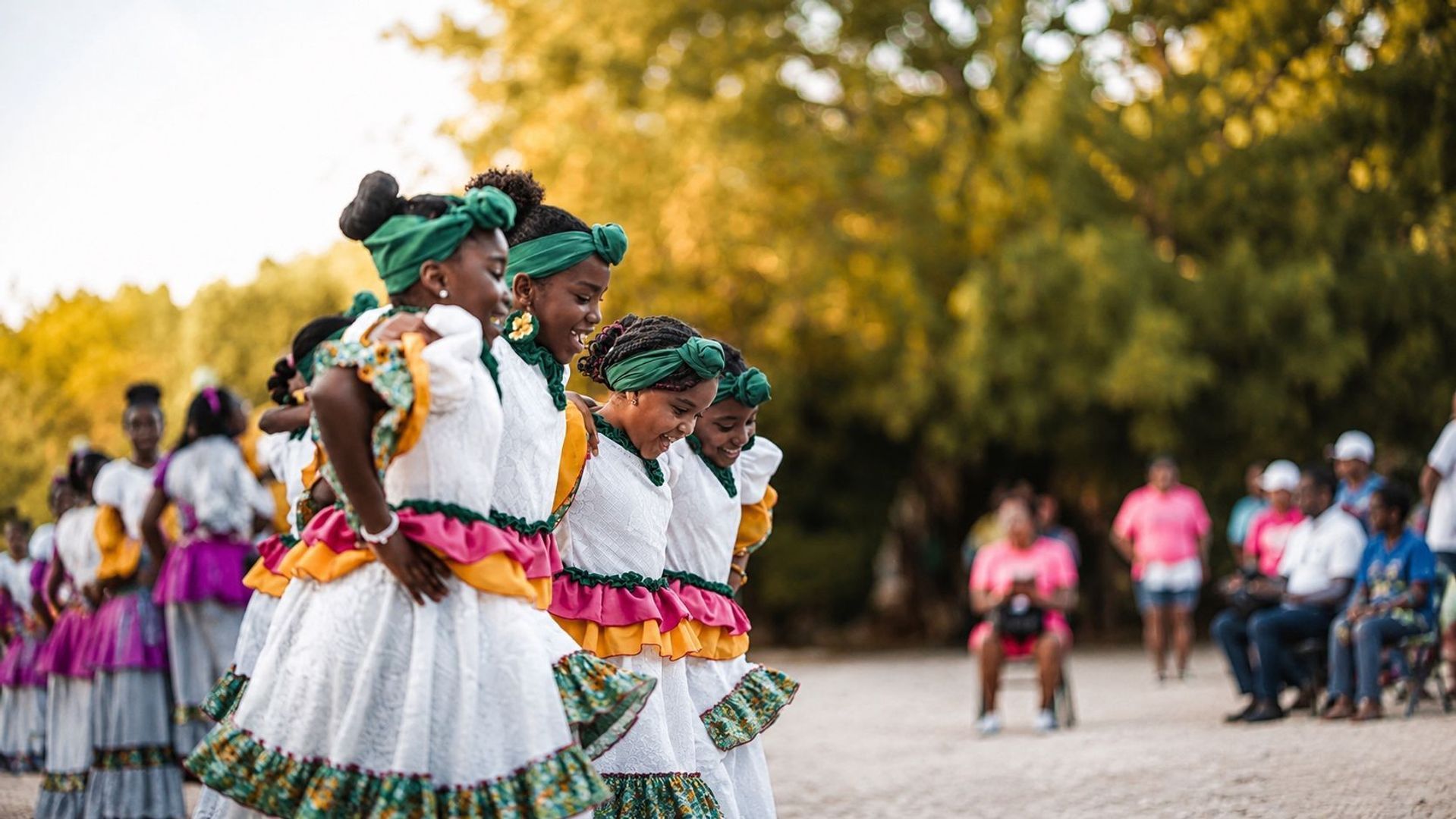
From the Wintertuin Festival to Curaçao Pride Week, a diverse lineup of events is on the calendar for September and early October. A look at Curaçao’s events calendar for September and early October reveals a varied mix of activities for different audiences. With numerous events taking place during these weeks, we highlight three of them ...
Sahófi
27-8-2026 —
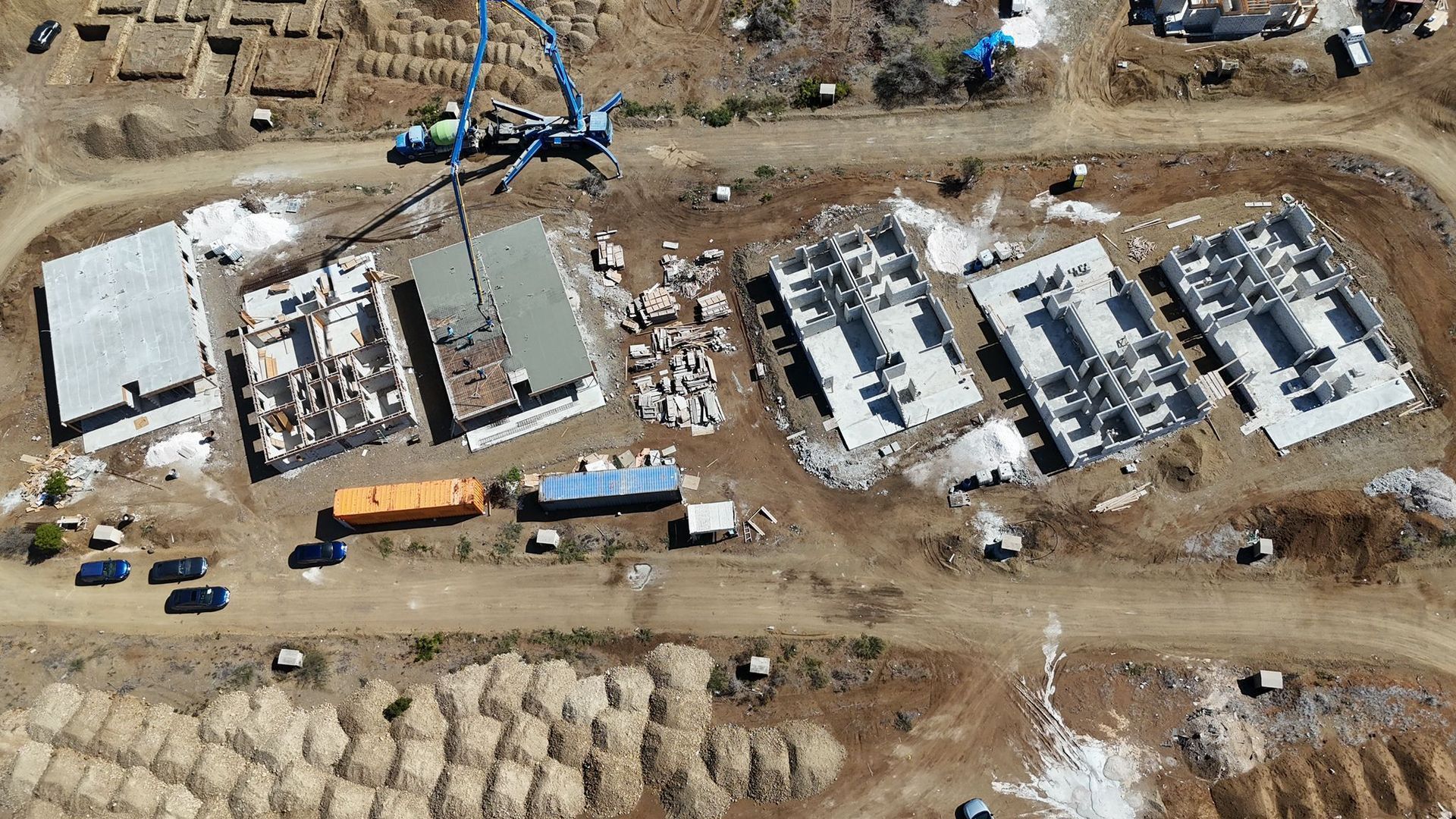
Within Hòfi Sint Joris, the development of Sahófi continues to take shape. The apartment project, which is being developed in two phases, has now become a visible part of the residential community. Phase 1 is nearing full completion, while construction of Phase 2 is well underway. Sahófi comprises a total of 36 apartments. Phase 1 consists of ...
Introducing …
27-8-2026 —
The Kalapnathsing family has lived at Hòfi Sint Joris since 2023 and has experienced the community’s transformation firsthand. What began as a construction site with unpaved roads has developed into an increasingly established residential neighborhood with paved roads, lighting and sports facilities, while retaining its natural surroundings ...