
 English
 Nederlands
STATE of Architecture
27-8-2026
From Curaçao to an International Practice
STATE of Architecture has its roots in Curaçao. In 2008, IHC Architects was founded on the island with the ambition to create architecture that not only looks good but genuinely adds value to the built environment. From the outset, the philosophy was clear: design should emerge from the place where it is created.
Following a period of growth, the firm expanded its activities to the Netherlands in 2015, followed by a rebranding to STATE of Architecture in 2022. Today, the firm operates as an architecture and engineering practice, bringing architecture, interior design, urban planning, and landscape development together through one integrated vision. While the name has changed, its original design philosophy remains firmly in place.
After eighteen years, Curaçao continues to play an important role in STATE’s identity. The island was not only where the practice was founded, but also the environment in which its approach to design evolved.
Designing from the Location
For STATE, a new project does not begin with a predetermined architectural style. Before the first sketch is made, the location is carefully studied. The position of the sun, prevailing trade winds, changes in elevation, existing vegetation, sightlines, and the way a place is experienced all influence the design process.
The future user is equally important. According to STATE, a good location, combined with an understanding of how people want to live and use a space, already provides many of the clues for how a building should be designed. The architect’s role is to translate these principles into a design that is appropriate to both its users and its surroundings.
This also means deliberately moving away from standard solutions. Every project is approached as a unique challenge, with STATE working closely with its clients to explore what is possible. The objective is not simply to create a distinctive building, but a design that connects with the people who use it and the environment in which it is situated.
Climate as a Design Tool
On Curaçao, STATE sees climate and landscape as more than design constraints. They are integral to the architectural process. Wind direction can determine the orientation of a home, while the position of the sun influences where shade is needed. The relationship between indoor and outdoor spaces also receives considerable attention, reflecting the important role outdoor living plays in everyday life on the island.
The practice also draws inspiration from traditional Curaçaoan building principles—not necessarily from historic architectural forms, but from the way buildings once responded to the local climate. Porches, high ceilings, natural ventilation, and shaded spaces are examples of solutions that remain relevant to contemporary architecture.
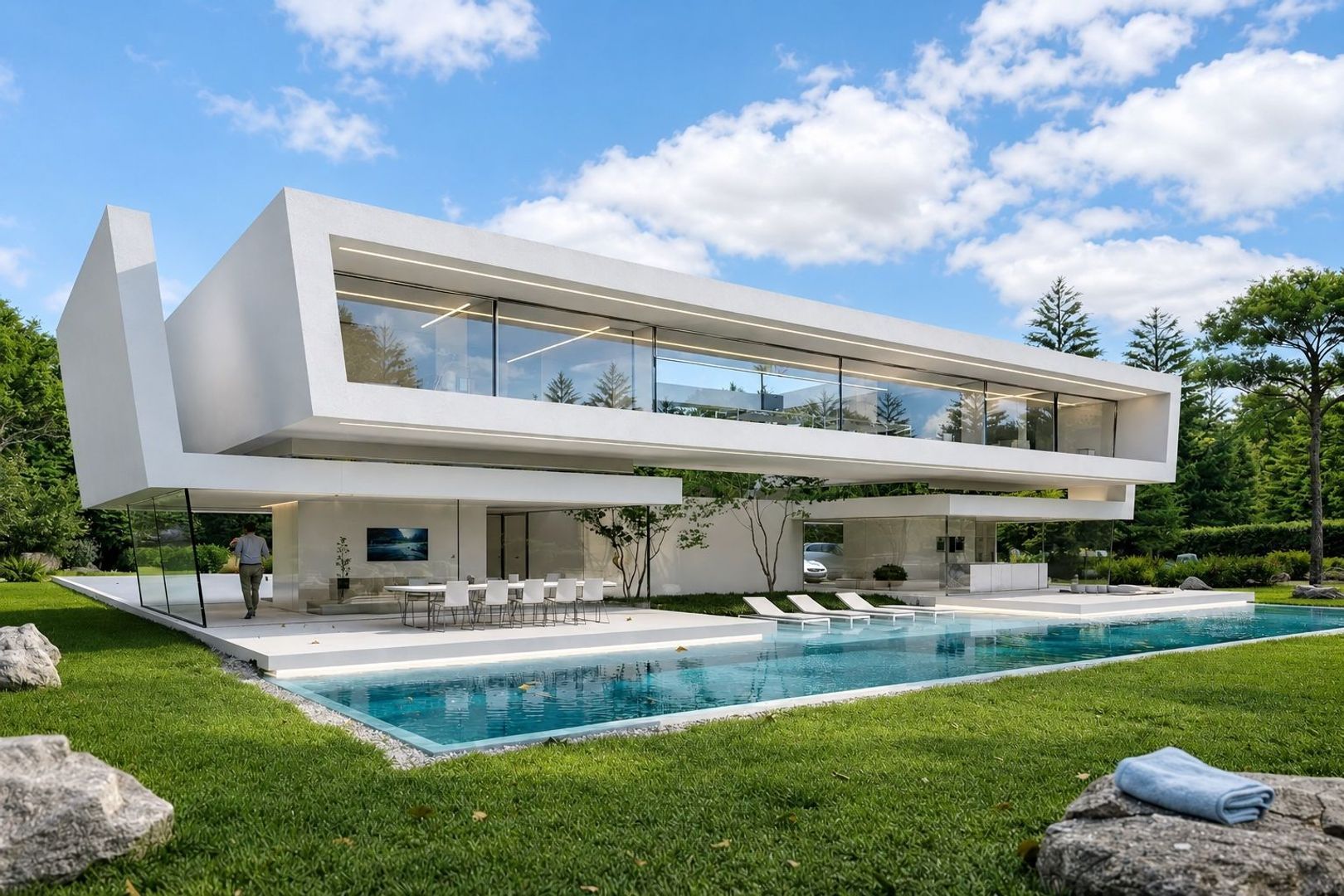
Floating Roofs at Terrace Estate in Santa Barbara brings several of these principles together. The architecture was developed strongly in response to its location. The roof planes provide shade and support natural ventilation, while the design takes the surrounding landscape and existing sightlines into account.
Quality That Lasts
For STATE, sustainability also begins with the way a building is designed. By making optimal use of orientation, wind, and shade, energy consumption can be reduced. The practice also considers material selection, maintenance, water management, longevity, and energy-efficient building systems as part of the overall design approach.
This integrated perspective aligns with developments STATE sees taking place on Curaçao. According to the practice, there is growing attention to sustainability, livability, and spatial quality. At the same time, the island’s continued development requires a careful balance between growth and the preservation of its natural landscape and environment.
STATE also sees clear parallels with Hòfi Sint Joris. The development looks beyond residential use alone, considering the relationship between nature, recreation, infrastructure, and the broader living environment. The shared principle that development should add long-term value is an important point of connection.
Ultimately, STATE believes architecture is about more than buildings. It is about the people who use and experience them, and the environments of which they become a part. With this philosophy, the practice aims to continue contributing from Curaçao to projects where architecture, quality of life, and the surrounding environment are brought into balance.
For more information: www.stateofarchitecture.com/projects/the-caribbean
Gerelateerde Nieuwsberichten
Events
27-8-2026 —
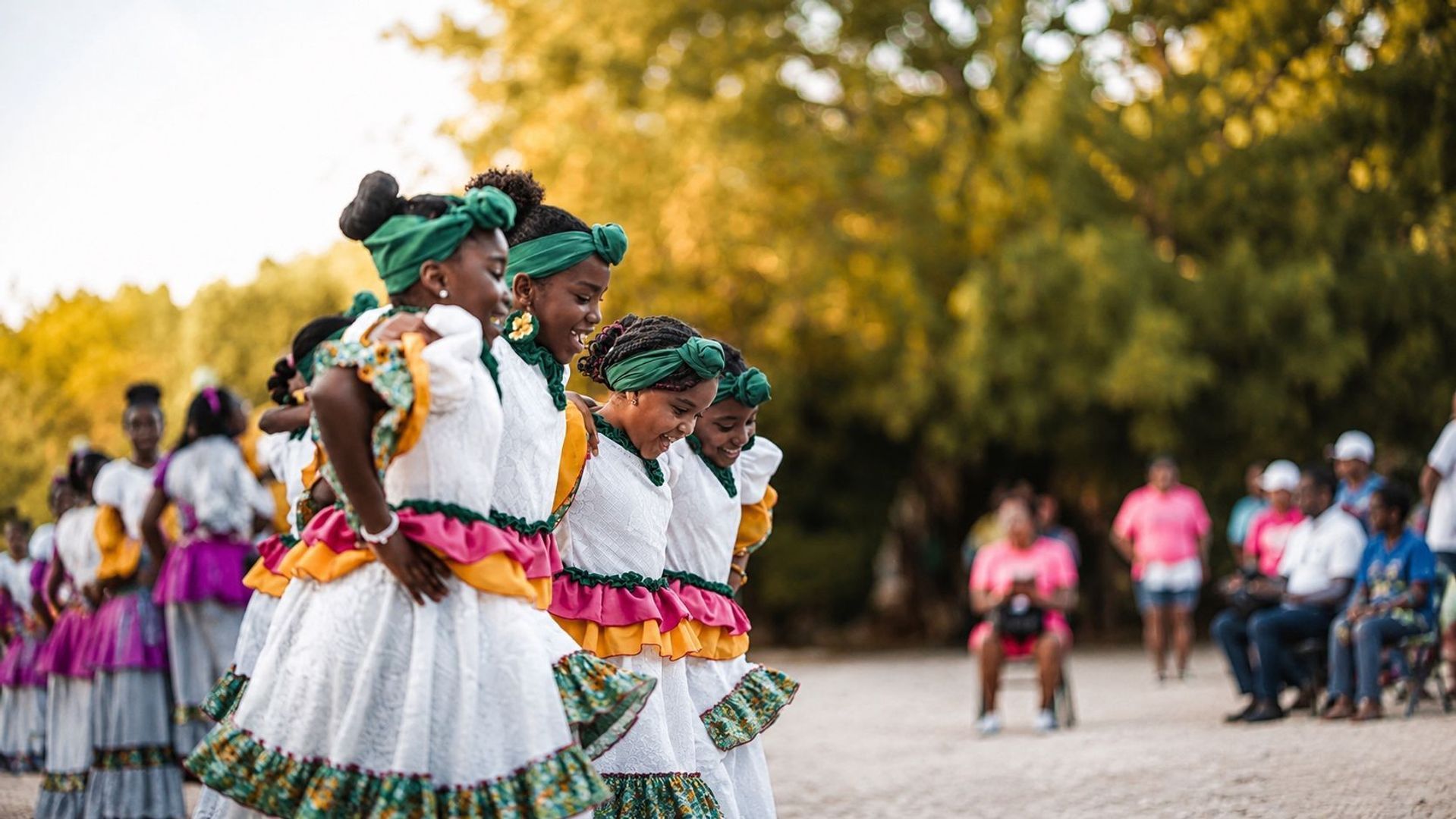
From the Wintertuin Festival to Curaçao Pride Week, a diverse lineup of events is on the calendar for September and early October. A look at Curaçao’s events calendar for September and early October reveals a varied mix of activities for different audiences. With numerous events taking place during these weeks, we highlight three of them ...
Sahófi
27-8-2026 —
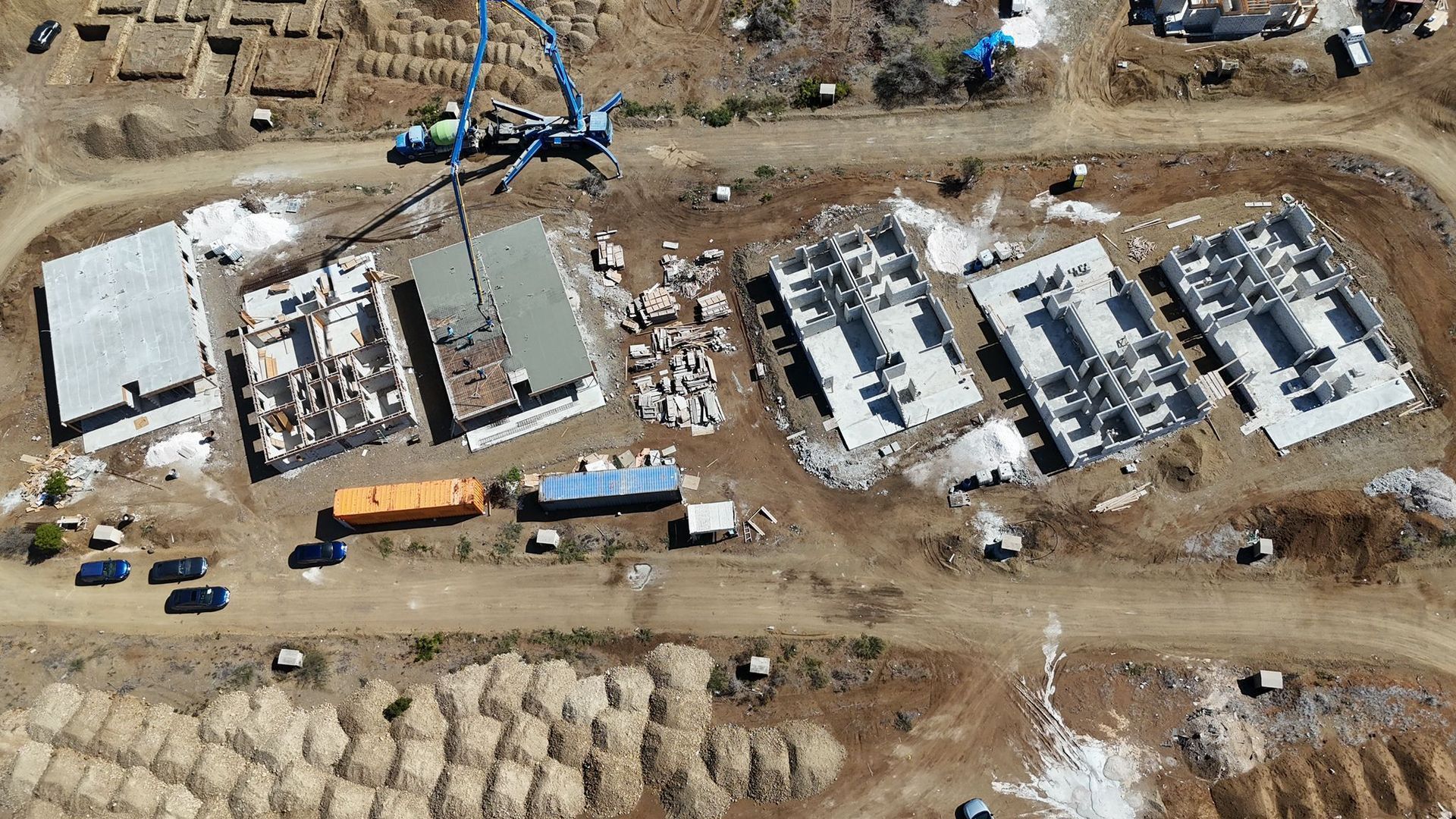
Within Hòfi Sint Joris, the development of Sahófi continues to take shape. The apartment project, which is being developed in two phases, has now become a visible part of the residential community. Phase 1 is nearing full completion, while construction of Phase 2 is well underway. Sahófi comprises a total of 36 apartments. Phase 1 consists of ...
Introducing …
27-8-2026 —
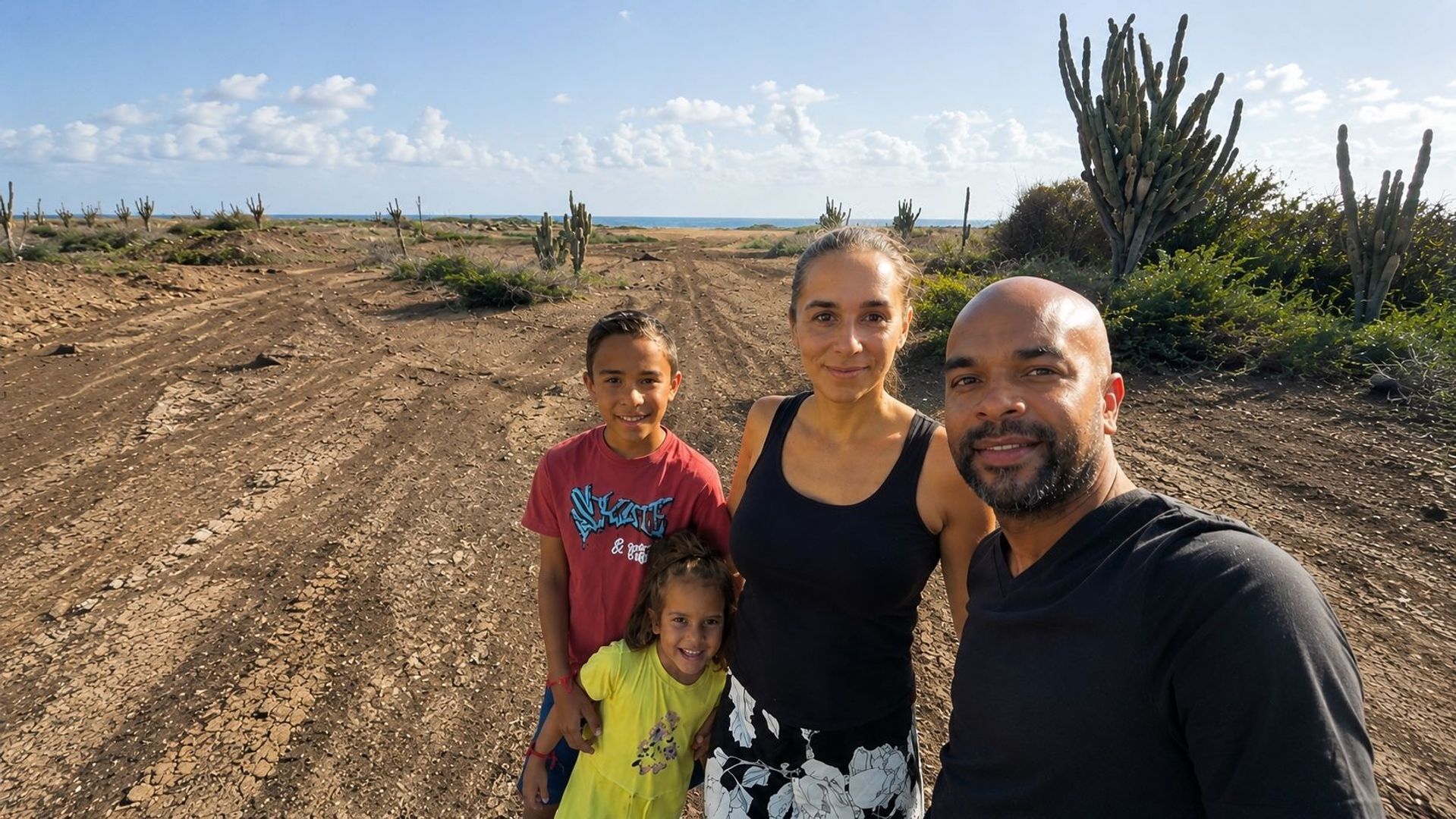
The Kalapnathsing family has lived at Hòfi Sint Joris since 2023 and has experienced the community’s transformation firsthand. What began as a construction site with unpaved roads has developed into an increasingly established residential neighborhood with paved roads, lighting and sports facilities, while retaining its natural surroundings ...